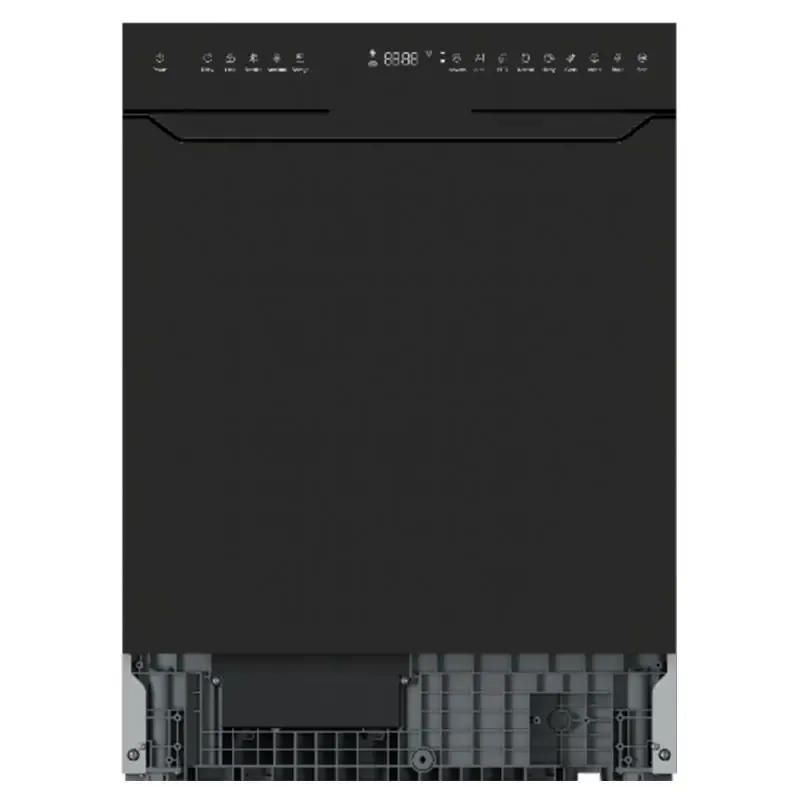
Loading a dishwasher correctly is a crucial step to achieving optimal cleaning performance, preventing damage to both the appliance and the dishes, and maximizing energy and water efficiency. Effective loading follows core principles that ensure water and detergent can reach all surfaces. The general rule is to place items facing the center of the machine, where the spray arms are located. Plates and larger items should be positioned on the bottom rack, angled inward and not touching each other to allow water circulation. Pots, pans, and baking sheets should be placed along the sides or at the back, facing downwards, but care should be taken not to block the spray arm rotation. Glasses, cups, and mugs belong on the top rack, ideally secured between the tines or in dedicated stemware holders to prevent tipping and chipping. Cutlery should be placed in the basket with handles down (for safety) and mixed to prevent nesting; some manufacturers recommend placing some utensils with handles up to ensure water reaches the soiled business ends. It is essential to avoid overloading the machine, as this creates shadowing effects where water cannot penetrate. Large utensils or cooking tools should lie flat on the top rack. Pre-rinsing is generally no longer necessary with modern enzymes in detergents, but large, solid food scraps must be scraped off into the trash to prevent drain clogs. Proper loading not only guarantees cleaner results but also protects delicate items and extends the life of the dishwasher by ensuring balanced loads and unobstructed moving parts. For specific loading guidelines related to our dishwasher models or for information on rack configurations designed for different ware types, please contact our customer support team.

 EN
EN
 AR
AR
 BG
BG
 HR
HR
 CS
CS
 DA
DA
 NL
NL
 FI
FI
 FR
FR
 DE
DE
 EL
EL
 IT
IT
 JA
JA
 KO
KO
 NO
NO
 PL
PL
 PT
PT
 RO
RO
 RU
RU
 ES
ES
 SV
SV
 TL
TL
 IW
IW
 ID
ID
 LV
LV
 LT
LT
 SR
SR
 SL
SL
 SQ
SQ
 HU
HU
 MT
MT
 TH
TH
 TR
TR
 FA
FA
 MS
MS
 GA
GA
 IS
IS
 HY
HY
 AZ
AZ
 KA
KA