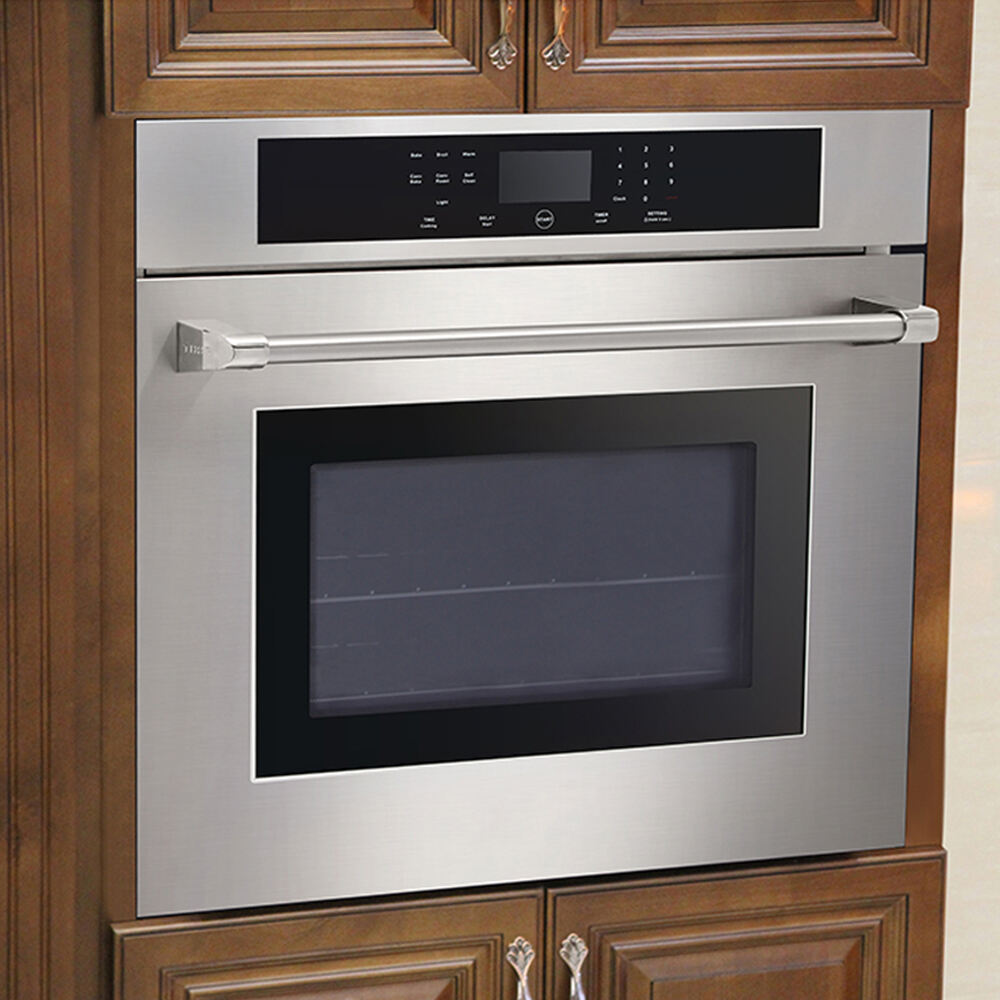
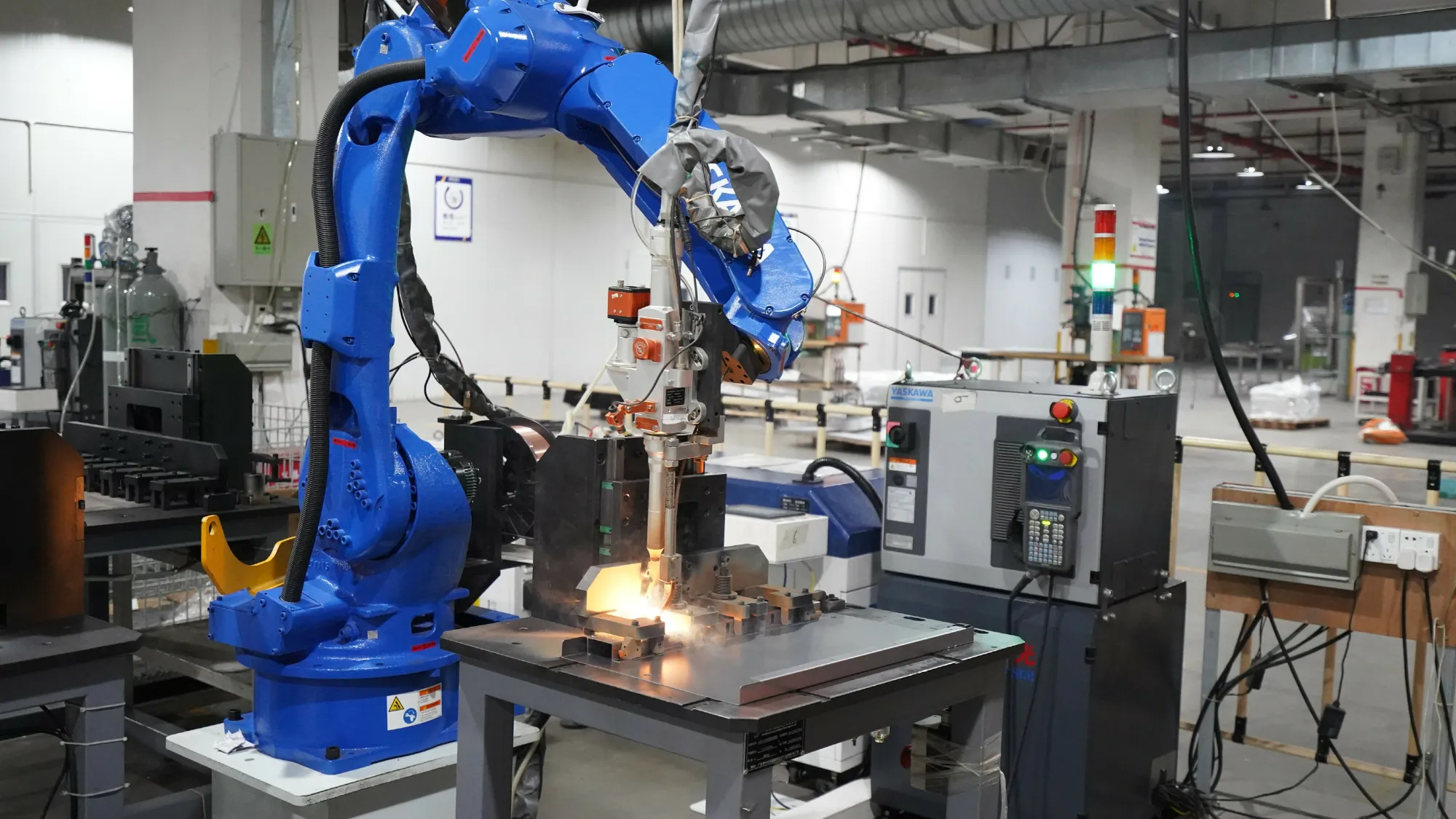
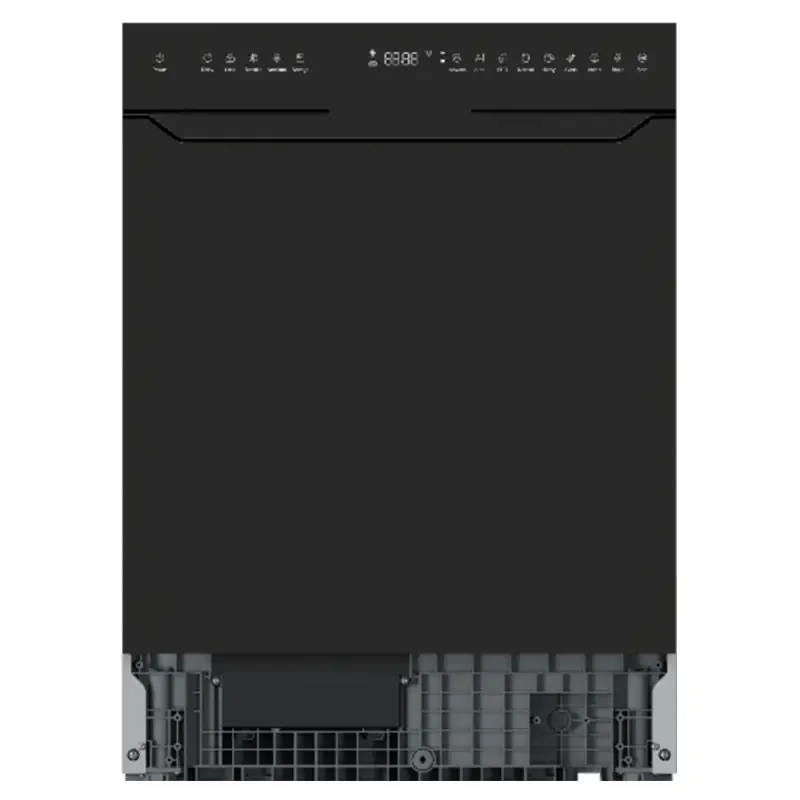
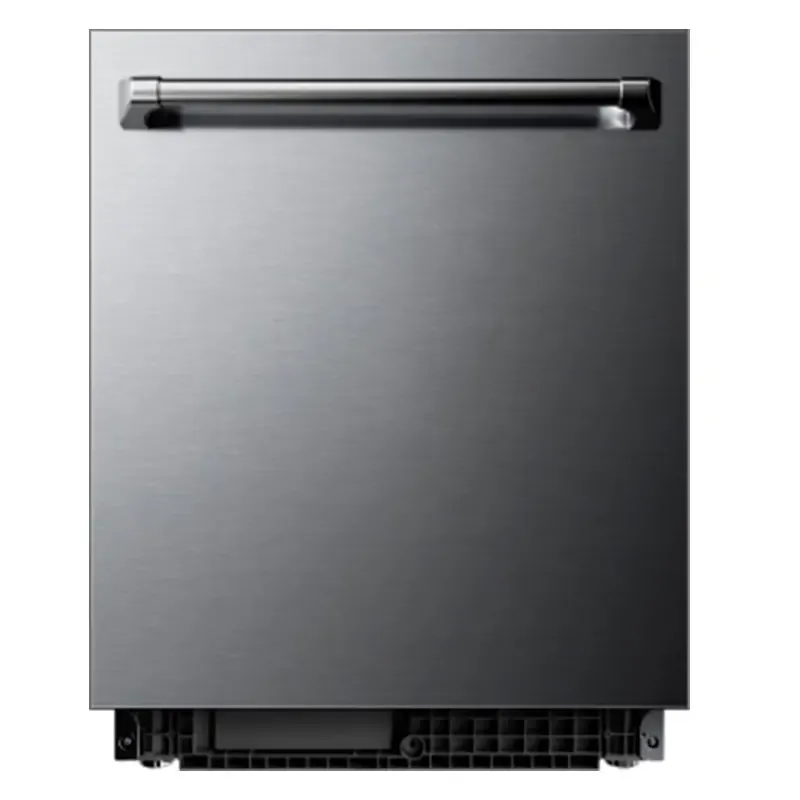
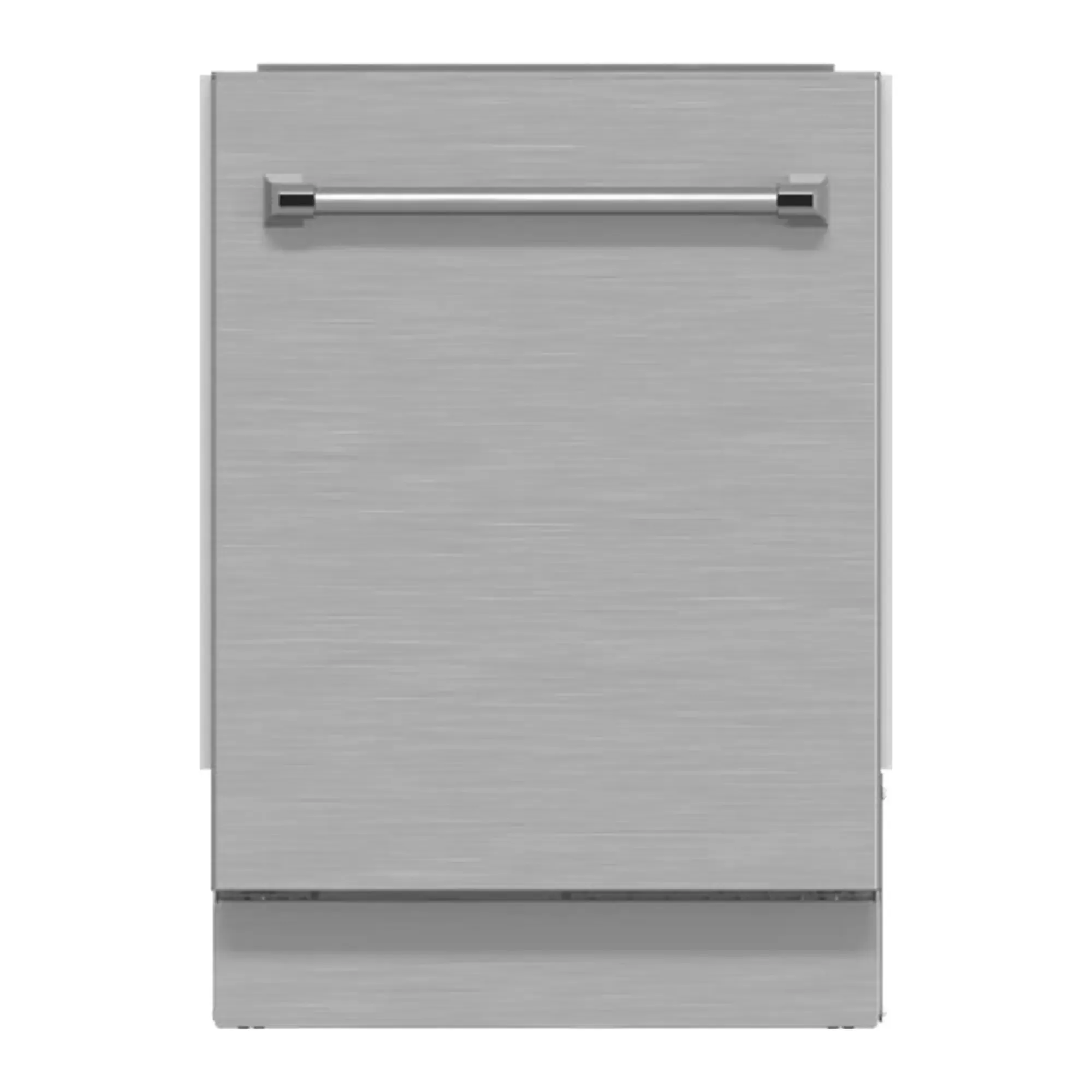
Evaluating dishwasher cost requires a holistic view that encompasses not only the initial purchase price but also the long-term total cost of ownership (TCO). The purchase price varies widely based on type and features, with market examples ranging from value-oriented freestanding models to premium units with advanced drying like zeolite technology. However, the true cost includes ongoing expenses: energy consumption, water usage, detergent, and potential maintenance. Energy-efficient models, a key area of our engineering focus, consume less electricity per cycle (e.g., 192-324 kWh per year for various models), leading to lower utility bills over the appliance's lifespan. Water consumption is another critical factor; efficient dishwashers can use around 10-15 liters per cycle, often less than manual washing. Furthermore, the durability and reliability of the machine, ensured by quality components and robust design, minimize repair costs and downtime. As a manufacturer with over 200 patents and a comprehensive testing laboratory, we design products for longevity and efficiency, directly reducing our partners' and their end-users' TCO. For commercial clients, factors like cycle time, durability under constant use, and sanitization capabilities (which may require high-temperature rinse cycles) are paramount cost drivers. We advise clients to consider this complete cost picture. Our one-stop service model, from collaborative R&D to production, allows us to engineer cost-optimized solutions that do not sacrifice core performance or durability. To discuss how we can achieve the optimal balance of upfront cost and long-term value for your specific market needs, please get in touch for a detailed cost-benefit analysis.

 EN
EN
 AR
AR
 BG
BG
 HR
HR
 CS
CS
 DA
DA
 NL
NL
 FI
FI
 FR
FR
 DE
DE
 EL
EL
 IT
IT
 JA
JA
 KO
KO
 NO
NO
 PL
PL
 PT
PT
 RO
RO
 RU
RU
 ES
ES
 SV
SV
 TL
TL
 IW
IW
 ID
ID
 LV
LV
 LT
LT
 SR
SR
 SL
SL
 SQ
SQ
 HU
HU
 MT
MT
 TH
TH
 TR
TR
 FA
FA
 MS
MS
 GA
GA
 IS
IS
 HY
HY
 AZ
AZ
 KA
KA