
 EN
EN
 AR
AR
 BG
BG
 HR
HR
 CS
CS
 DA
DA
 NL
NL
 FI
FI
 FR
FR
 DE
DE
 EL
EL
 IT
IT
 JA
JA
 KO
KO
 NO
NO
 PL
PL
 PT
PT
 RO
RO
 RU
RU
 ES
ES
 SV
SV
 TL
TL
 IW
IW
 ID
ID
 LV
LV
 LT
LT
 SR
SR
 SL
SL
 SQ
SQ
 HU
HU
 MT
MT
 TH
TH
 TR
TR
 FA
FA
 MS
MS
 GA
GA
 IS
IS
 HY
HY
 AZ
AZ
 KA
KA
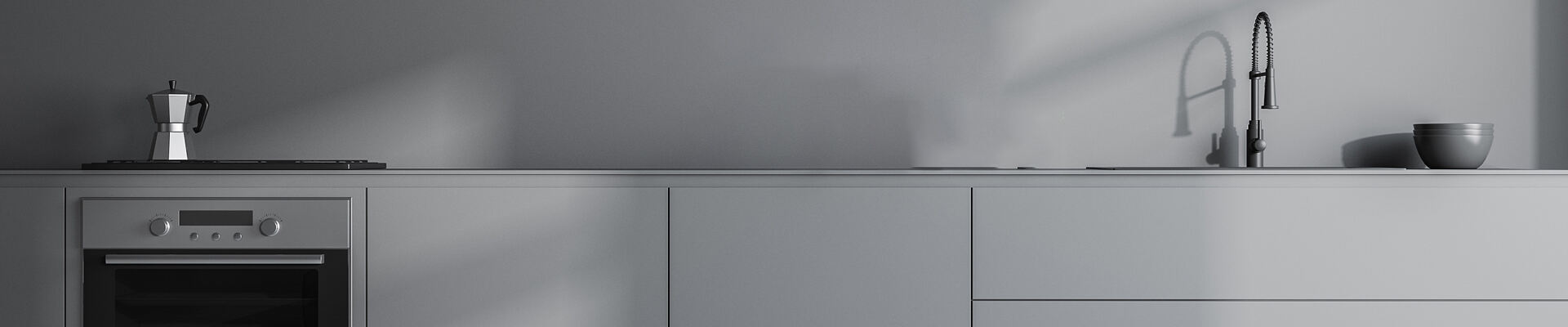
What Are the Key Features of a Durable and Efficient Gas Oven?
Durability and Build Quality of Gas Ovens
A gas oven’s longevity hinges on high-quality materials like stainless steel, cast iron, and ceramic-coated components. These withstand daily thermal stress and resist warping or corrosion, even after years of frequent use.
Commercial-Grade Components and Construction
Top-tier models feature commercial-grade construction, including reinforced hinges, heavy-duty burners, and sealed gas valves. This engineering reduces the risk of gas leaks and mechanical failure—critical for high-volume kitchens where consistent performance is essential.
Insulation Quality and Heat Retention
Advanced insulation such as ceramic fiber or mineral wool reduces heat loss by up to 30%, according to energy efficiency benchmarks. Improved heat retention stabilizes cooking temperatures and lowers fuel consumption over time.
Resistance to Wear in High-Use Environments
Durable gas ovens incorporate scratch-resistant surfaces and rustproof coatings. A 2023 Material Durability Study found that enamel-coated interiors retained 95% of their structural integrity after 10,000 heating cycles, outperforming standard models by 40%.
Energy Efficiency and Fuel Performance in Gas Ovens
BTU Output and Its Impact on Cooking Efficiency
Gas ovens rated between 15,000 to 20,000 BTUs heat up fast and maintain temperatures pretty well, which means food cooks quicker while using less gas overall. Some tests from 2022 found that ovens with 18,000 BTU burners actually reduced cooking time by about a quarter when compared to older 12,000 BTU models. These newer units hit around 72% efficiency once they're running steadily. The higher BTU range spreads the flames more evenly across the oven cavity too, so hot spots aren't as much of an issue. Most home cooks will notice these differences in both performance and their monthly utility bills.
Optimized Combustion for Lower Fuel Consumption
Advanced burners with swirling flame patterns and precision air-gas mixing reduce wasted energy by 18% versus conventional designs, per Thermal Science and Engineering Progress (2022). Features like venturi tubes and dual-fuel compatibility maintain 95% combustion efficiency across propane and natural gas, saving households $140–$220 annually.
Heat Retention Through Advanced Insulation
Multi-layer ceramic fiber insulation cuts energy losses by 22%, as shown in a 2020 Energy Sustainability study. This enables ovens to maintain ±5°F stability during door openings, reducing reheating frequency by 34% in baking. Recovery times are 15–20% faster than those of ovens using single-pane glass or basic insulation.
Precise Heat Distribution and Temperature Control
Even Heat Distribution for Consistent Baking Results
Modern gas ovens achieve uniform heat through engineered burner layouts and convection currents. By generating thermal energy at multiple points, they reduce cold spots by 27% compared to electric models (Appliance Science Journal 2023). This consistency prevents curdling in custards and ensures even rising in breads—key for commercial batch reliability.
Temperature Stability Under Load and During Cycling
High-performance units maintain ±5°F accuracy even when door openings cause 40% heat loss (Thermal Engineering Review 2022). Commercial-grade models use PID controllers that adjust gas flow 120 times per second, preventing overcooking during long roasts and supporting delicate dishes like soufflés.
Precision Simmer and Low-Heat Controls for Delicate Tasks
Specialized simmer burners deliver 500–900 BTUs for gentle cooking tasks such as melting chocolate or caramelizing onions. Dual-stage valves allow 1°F increments below 200°F, ideal for tempering cocoa butter or proofing sourdough. Field tests show these systems reduce scorching by 68% in low-heat applications (Culinary Tech Quarterly 2023).
Calibration Accuracy and Sensor Technology in Modern Gas Ovens
Infrared sensors and Type-K thermocouples recalibrate every 12 seconds, achieving 99.8% measurement accuracy per precision engineering research. Smart ovens automatically compensate for altitude (2% gas pressure adjustment per 1,000 ft) and humidity (3% BTU reduction per 10% RH increase), eliminating manual calibration.
Advanced Cooking Technologies and Functional Flexibility
Convection Baking and Dual Broiler Functionality
Modern gas ovens integrate commercial-grade convection fans to eliminate cold spots, cutting baking times by 15–20%. Dual broiler systems enable simultaneous top-browning and bottom-crisping, perfect for layered dishes like lasagna. This functionality reflects trends seen in multifunctional combi ovens used in professional kitchens, where zoned heating improves efficiency.
Fan-Assisted Circulation for Faster, Uniform Cooking
Ovens with 3D heat circulation maintain ±5°F uniformity across racks, crucial for batch cooking. A 2023 Culinary Tech Review found rear-mounted fans reduced roast times by 25% while preserving 98% moisture in meats.
Multi-Mode Cooking: Bake, Roast, Broil, and More
Capable of slow-roasting at 200°F and high-heat broiling up to 550°F, modern gas ovens support 12+ cooking presets via intuitive interfaces. According to the Kitchen Trends Report 2024, 63% of users regularly access three or more modes, highlighting demand for versatile appliances that maintain core performance.
Smart Integration and Programmable Cooking Systems
WiFi-enabled models sync with voice assistants and recipe apps, allowing remote preheating and real-time adjustments. Over 40% of premium units include AI-powered doneness sensors that adapt heat based on food weight and density, reducing overcooking incidents by 34% (Smart Kitchen Analytics 2023).
Safety, Maintenance, and Long-Term Reliability
Gas ovens these days come with some pretty important safety stuff built in. Take flame failure protection for instance it stops gas from flowing when the flame dies out, so there's no risk of leaks when the power cuts or a draft comes through. Most models also have overheat prevention that works by combining temperature sensors with cooling fans that kick in automatically. And let's not forget about those child lock features that basically disable all the controls to stop little hands from turning on the oven by accident. When it comes to keeping things clean, many ovens now offer self cleaning options. Some use what they call pyrolytic cycles where they heat up to around 900 degrees Fahrenheit and basically burn away any stuck on food, leaving just ash behind. Others go for steam cleaning instead, which cuts down on the need for elbow grease and harsh chemicals.
Keeping equipment running reliably over time means sticking to regular maintenance routines. Things like checking those burner ports once a month, making sure temperature sensors get calibrated every year, and replacing door seals before they wear out completely all help maintain proper heat retention inside ovens. What do industry reports actually show? Well, businesses that follow these kinds of preventive maintenance plans tend to spend around 34% less on repairs overall. Plus, their commercial ovens last anywhere from 5 to 8 extra years compared to facilities that only fix problems when something breaks down. Makes sense really - catching small issues early saves money in the long run.
FAQ
How does the build quality of gas ovens affect their longevity?
Gas ovens made with high-quality materials such as stainless steel, cast iron, and ceramic-coated components can resist daily wear and thermal stress, ensuring they last longer.
What are the benefits of modern convection fan systems in gas ovens?
Convection fan systems in modern gas ovens eliminate cold spots and enhance baking efficiency by distributing heat evenly, reducing cooking times significantly.
How do advanced features in gas ovens contribute to energy efficiency?
Features like BTU optimization, advanced burners, and multi-layer insulation reduce heat loss, enhance heat distribution, and optimize fuel consumption, increasing overall energy efficiency.
What safety features are commonly found in modern gas ovens?
Safety features include flame failure protection, overheat prevention, and child lock functions to prevent accidents and ensure safe usage.