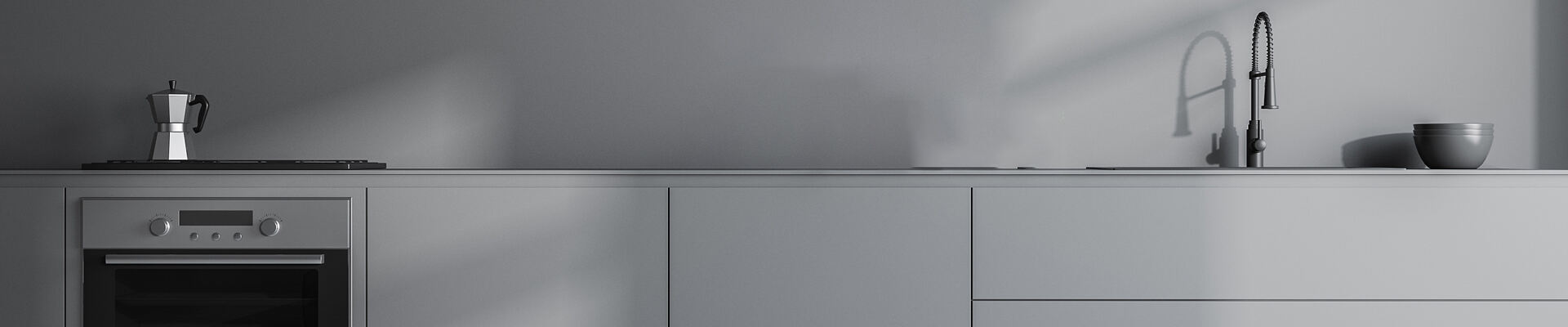
Para sa mga tagapamahagi ng brand, mahalaga ang pagpili ng mga gas range na may tamang mga tampok upang mapalawak ang market share at matugunan ang pangangailangan ng mga konsyumer. Ang mga mamimili ngayon—mula sa mga may-ari ng bahay hanggang sa mga maliit na komersyal na gumagamit—ay binibigyang-pansin ang mga gas range na may balanse sa pagiging functional, kaligtasan, at kakayahang umangkop sa kanilang ugali sa pagluluto. Ang pinakasikat na mga tampok ng gas range para sa pagpapamahagi ay nakatuon sa pagkakaiba-iba ng sukat, malakas ngunit nababaluktot na init, matibay na mga katangian para sa kaligtasan, matibay na materyales, at smart na integrasyon—lahat ng mga salik na nagpapataas ng benta at nagtatayo ng pangmatagalang tiwala sa brand.
Maraming Sukat na Akma sa Iba't Ibang Espasyo ng Kusina
Ang sukat ay isa sa mga pinakamahalagang espesipikasyon ng gas range para sa pamamahagi, dahil direktang nakaaapekto ito kung gaano kaganda ang pagkakasundo ng produkto sa iba't ibang layout ng kusina. Ang 30-pulgadang gas range ang pinakasikat na opsyon para sa mga residential kitchen, dahil tugma ito sa karaniwang lapad ng cabinet at nag-aalok ng sapat na puwang para sa pagluluto para sa karamihan ng pamilya (karaniwan ay 4 hanggang 5 burner). Para sa mas malalaking tahanan o maliit na komersyal na lugar (tulad ng mga cafe o catering business), mataas ang demand sa 36-pulgadang gas range—nagbibigay ito ng dagdag na mga burner (6 o higit pa) at mas malalaking kapasidad ng oven, na sumusuporta sa mabibigat na pagluluto. Dapat mag-stock ang mga distributor ng parehong sukat upang masakop ang residential at light commercial market, tinitiyak na ang gas range ay walang problema sa pagkakasya sa espasyo ng end user nang hindi kinakailangang baguhin ang kusina.
Malakas at Maaaring I-Adjust na Heating Performance
Ang pagganap ng pagpainit ay isang mahalagang tukoy para sa mga gas range, dahil ito ang nagdidikta sa kakayahang magluto. Ang mga sikat na gas range ay may mga burner na may BTU (British Thermal Unit) na rating mula 5,000 hanggang 18,000. Ang mga burner na may mababang BTU (5,000–8,000) ay perpekto para sa pagpapakulo nang dahan-dahan ng sopas o pagtunaw ng tsokolate, samantalang ang mga burner na may mataas na BTU (12,000–18,000) ay angkop sa mga gawaing nangangailangan ng matinding init tulad ng pag-sear ng karne o stir frying. Ang gas range na may iba't-ibang opsyon ng BTU ay nakakaakit sa iba't ibang istilo ng pagluluto, mula sa mga simpleng lutong-bahay hanggang sa mga nagsisimula pang magiging chef. Bukod dito, ang dual fuel gas range (gas burners + electric oven) ay patuloy na lumalago ang popularidad—pinagsasama nito ang tiyak na kontrol ng pagluluto gamit ang gas at ang pare-parehong pagbibilad sa oven gamit ang kuryente, na pinalawak ang pagkaakit ng gas range sa mga mamimili na pinahahalagahan ang pagganap ng parehong stovetop at oven.
Malawakang Mga Tampok sa Kaligtasan para sa Tiwala ng Mamimili
Ang kaligtasan ay hindi mapag-usapan para sa mga hanay ng gas, at ang mga detalye na nagbibigay-priyoridad sa proteksyon ng user ay nagtutulak sa kagustuhan ng consumer. Kabilang sa mga pinakasikat na hanay ng gas ang awtomatikong 熄火保护 (mga flame failure device)—pinapatay nito ang supply ng gas kung aksidenteng napatay ang apoy (hal., sa pamamagitan ng 溢出的 pot), na pumipigil sa pagtagas ng gas. Ang mga handle na lumalaban sa init at salamin ng pinto ng oven ay susi din: binabawasan ng mga ito ang panganib ng pagkasunog, isang pangunahing alalahanin para sa mga pamilyang may mga anak. Ang ilang mga advanced na hanay ng gas ay nagdaragdag ng mga detektor ng pagtagas ng gas na magpapatunog ng alarma kung tumaas ang mga antas ng gas, na higit na nagpapahusay sa kaligtasan. Dapat bigyang-priyoridad ng mga distributor ang mga hanay ng gas na may mga feature na ito, dahil hindi lang natutugunan ng mga ito ang mga pandaigdigang sertipikasyon sa kaligtasan (tulad ng CSA o UL) ngunit nagbibigay din ng katiyakan sa mga mamimili, na binabawasan ang mga reklamo pagkatapos ng pagbili.
Matibay na Materyales para sa Matagalang Paggamit
Ang tibay ay direktang nakaaapekto sa haba ng buhay ng isang gas range at reputasyon ng brand, kaya ang mga espesipikasyon ng materyales ay nasa nangungunang prayoridad para sa mga distributor. Ang pinakasikat na mga gas range ay gumagamit ng de-kalidad na stainless steel para sa katawan at cooktop—ang stainless steel ay lumalaban sa korosyon dulot ng pagbubuhos, pinsala mula sa init, at paulit-ulit na paglilinis, na nagagarantiya na mananatiling bago ang itsura ng gas range sa loob ng maraming taon. Ang mga rehas ng cooktop (karaniwang gawa sa cast iron) ay dapat mabigat at matibay upang tumagal sa paulit-ulit na paggamit at maiwasan ang pagbaluktot. Hinahanap din ang mga loob ng oven na may porcelain enamel coating: madaling linisin sa pamamagitan ng pagwawisik at lumalaban sa mantsa mula sa takip-takip ng pagkain. Ang isang gas range na itinayo gamit ang mga matibay na materyales na ito ay binabawasan ang dalas ng kapalit, nagpapataas ng katapatan ng customer, at binabawasan ang mga ibinalik ng mga distributor.
Matalinong Integrasyon para sa Modernong Pamumuhay
Ang mga smart na tampok ay naging isang kinakailangang espesipikasyon na ngayon para sa mga gas range, lalo na sa mga mamimili na mahilig sa teknolohiya. Kasama sa sikat na smart gas range ang touchscreen controls para sa madaling pagbabago ng temperatura at pagtatakda ng timer—mayroon nga'y konektado sa smartphone gamit ang Bluetooth o Wi-Fi, na nagbibigay-daan sa mga gumagamit na suriin ang pagluluto nang malayo o paunlan ang oven mula sa ibang silid. Ang mga LED display na nagpapakita ng status ng burner (naka-on/naka-off, temperatura) ay nagpapataas din ng kakayahang gamitin. Bagaman idinadagdag ng mga smart na tampok ang kaunti lamang sa gastos, ito ay naghihiwalay sa gas range mula sa mga pangunahing modelo, kaya mas nakakaakit ito sa mga premium residential market. Ang mga distributor na isinasama ang smart gas range sa kanilang mga alok ay makakasali sa patuloy na lumalaking pangangailangan para sa mga kusinang kagamitan na konektado.
Kesimpulan
Ang pinakasikat na mga espesipikasyon ng gas range para sa pamamahagi ng tatak ay nakatuon sa paglutas ng tunay na pangangailangan ng mga gumagamit: angkop sa iba't ibang espasyo, sumusuporta sa iba't ibang istilo ng pagluluto, nagtitiyak ng kaligtasan, matibay at tumatagal nang matagal, at naa-integrate sa modernong pamumuhay. Sa pamamagitan ng pagbibigay-priyoridad sa mga espesipikasyong ito—mga sukat na may kakayahang umangkop, reguladong init, tampok para sa kaligtasan, matibay na materyales, at integrasyon na may teknolohiya—maipamamahagi ang mga gas range na tugma sa kagustuhan ng mga konsyumer, mapapataas ang benta, at mapapatatag ang posisyon ng tatak sa merkado. Ang pakikipagsanib sa mga tagapagtustos na patuloy na nagtataglay ng mga mataas na demand na espesipikasyon ng gas range ay ginagarantiya ang matagalang tagumpay sa mapanlabang industriya ng pamamahagi ng kusinang appliance.

 EN
EN
 AR
AR
 BG
BG
 HR
HR
 CS
CS
 DA
DA
 NL
NL
 FI
FI
 FR
FR
 DE
DE
 EL
EL
 IT
IT
 JA
JA
 KO
KO
 NO
NO
 PL
PL
 PT
PT
 RO
RO
 RU
RU
 ES
ES
 SV
SV
 TL
TL
 IW
IW
 ID
ID
 LV
LV
 LT
LT
 SR
SR
 SL
SL
 SQ
SQ
 HU
HU
 MT
MT
 TH
TH
 TR
TR
 FA
FA
 MS
MS
 GA
GA
 IS
IS
 HY
HY
 AZ
AZ
 KA
KA